
If you want to work in the UK, it’s crucial to know the legal requirements.
National Insurance Number Eligibility
Ensure your details are accurate and verify your contact information. This can help mitigate delays or miscommunication from the National Insurance authorities.
Before you apply, ensure that you are eligible.
- Be over the age of 16
- The right to work in the UK (Work Visa)
- UK Citizen or Resident permit
Online Application
When applying for a National Insurance Number you have a couple of options. Currently the only option to apply for a National Insurance Number is via an online application with the HMRC. If you struggle to understand and read English you might find it useful to use an agency, they will also check your documents before submission to avoid delays.
1. **Apply Online Via an Agency*
You can change their online application into any language. Agencies do charge a fee & have no affiliations with the Department for Work and Pension, Job Centre Plus or any UK government body. Applying via the Government website is free of charge.
2. **Apply Via the Government Website**
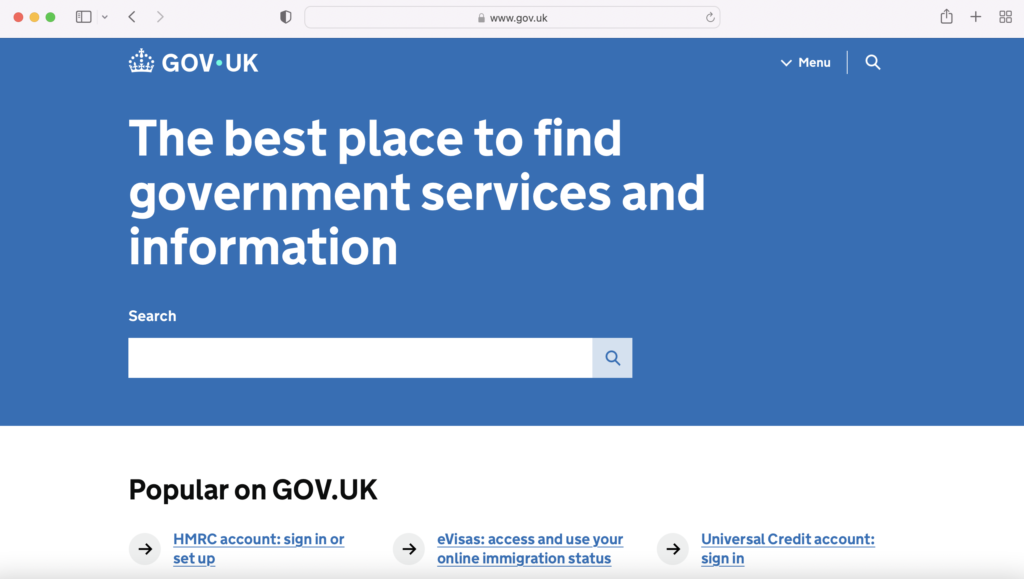
The application is available on the Government Website. Applying on the Government website is free.
When applying you will need to provide personal identification documents. Typical documents include your passport, residence permit, or identity card. If you are employed, it may also be necessary to present your work-related documents such as payslips or employment letters.
Here’s how the official website looks
**Prepare for Interviews if Necessary**:
In some cases, you may be asked to attend an interview. To prepare, present yourself with all required documentation and have a clear understanding of your employment history and residency status in the UK. Utilizing an agency can reduce the likelihood of you being invited for an interview.
Don’t stress if you’re called in for an interview. It’s mainly to verify your documents since the copies you submitted couldn’t be confirmed or weren’t clear enough.
Who Needs to Pay National Insurance
National Insurance (NI) is a system of taxes paid by employees, employers, and the self-employed in the United Kingdom. These contributions fund various state benefits, including the State Pension and other welfare programs. Understanding how NI works is crucial for anyone earning income in the UK, as it affects both your taxation and eventual eligibility for support during retirement.
National Insurance contributions play a crucial role in the UK social security system, funding benefits such as the state pension, healthcare, and unemployment benefits. Therefore, understanding who is obligated to pay National Insurance is essential for both employees and self-employed individuals.
Typically, all individuals aged 16 and over are required to pay National Insurance if their earnings exceed a certain threshold. For employees, this threshold is met when they earn more than £123 a week (as of the 2023/2024 tax year). Once this threshold is surpassed, employees must pay Class 1 National Insurance contributions based on their earnings, which contribute towards their entitlement to various state benefits.
Self-employed individuals also have obligations under the National Insurance scheme. They must pay Class 2 contributions if their profits exceed £6,725 per year, and, if their profits are more than £11,908, they are also required to pay Class 4 contributions. These contributions are vital for qualifying for certain benefits, including the state pension.
Current 2026 Tax Levels
The current tax bands are delineated into three primary categories: the basic rate, higher rate, and additional rate. The basic rate applies to earnings over the personal allowance threshold and typically encompasses a portion of moderate income. At present, the basic rate stands at 20% for income up to a specified limit. Once an individual’s earnings surpass this limit, the higher rate of 40% becomes applicable to income within the higher earnings bracket, while an additional rate of 45% is enforced on the highest earners, further emphasizing the progressive nature of the UK’s income tax system.
For salaried employees, income tax is deducted at source through the Pay As You Earn (PAYE) system, whereby employers withhold the appropriate taxes before issuing paychecks. In contrast, self-employed individuals must navigate their tax liabilities independently, typically paying income tax through the Self Assessment process. This distinction highlights the operational differences in taxation for various types of earners. Furthermore, other factors, such as pension contributions and other allowable expenses, can influence the amount of taxable income. Understanding these intricacies is essential for effective tax planning and compliance.
Current Tax Rates for 2026
As we analyze the tax landscape in the UK for the year 2026, it is essential to understand the current tax rates and any relevant changes that have been implemented recently. The UK government has outlined various tax bands and rates that taxpayers must be cognizant of, as these figures are crucial for financial planning and compliance.
The personal allowance for the tax year 2026 remains at £12,570, providing taxpayers with a threshold below which no income tax will be calculated. Income tax is structured into several bands: earnings up to £50,270 fall under the basic rate of 20%, while incomes between £50,271 and £150,000 are taxed at the higher rate of 40%. Those earning above £150,000 will face the additional rate of 45%, making it important for higher earners to be aware of their tax liabilities.
Corporate tax rates are also noteworthy, with the standard rate set to remain at 25% for large companies. However, small businesses can enjoy a lower rate of 19% on profits up to £50,000. These strategies aim to stimulate growth among smaller enterprises while maintaining a robust revenue stream for the government.
Value Added Tax (VAT) has seen adjustments with the standard rate set at 20%. However, specific sectors may see reduced rates or exemptions based on government policy, influencing the final tax obligations for businesses and consumers alike.
It is also important to note regional variations that may affect tax rates. For instance, devolved tax powers in Scotland impact tax band settings, resulting in different rates applicable within that region. The nuances of these rates exemplify the importance of staying informed about changes in the tax code and understanding how they impact personal and corporate finances.
Benefits eligibility
UK benefit eligibility refers to the qualifications that individuals must meet to access various government financial assistance programs. These benefits are designed to support those in need, helping with costs such as housing, unemployment, disability, and children’s welfare. Understanding these criteria is essential for anyone seeking support from the UK government.
Who Can Apply for Benefits?
Eligibility for benefits in the UK typically depends on factors like income, employment status, age, and residency. For instance, unemployed individuals may qualify for Jobseeker’s Allowance, while those with disabilities can access Employment and Support Allowance. The specific requirements vary greatly, so it’s crucial to assess your personal situation against the guidelines provided by the UK government.
How to Check Your Eligibility
To determine your UK benefit eligibility, start by visiting the official government website. They provide a comprehensive benefits checker tool that can help assess whether you’re qualified. Additionally, you may want to gather documentation such as proof of income, identification, and any relevant medical certificates. This information will streamline the application process and ensure that you receive the maximum benefits available.
In conclusion, understanding UK benefit eligibility is key to unlocking valuable financial support. By being informed and prepared, you can navigate the applications with confidence and access the help you need.
Work Visas
1. Skilled Worker Visa: This visa is for individuals with a job offer from a UK employer. The job must meet certain skill and salary requirements. It’s an excellent option for those in skilled professions such as engineering, IT, or healthcare.
2. Intra-company Transfer Visa: For employees of multinational companies, this visa allows transfer to a UK branch. It supports those looking to further their careers in an international setting while maintaining their employment.
3. Health and Care Worker Visa: Specifically designed for healthcare professionals, this visa enables doctors, nurses, and care staff to work in the UK. The NHS and other organizations actively encourage applications for this visa category.
Additional Visa Categories
Beyond the aforementioned visas, there are other options such as the Global Talent Visa, for highly skilled individuals in specific fields, and the Youth Mobility Scheme, meant for young people from specific countries. Each of these categories has unique requirements, so it’s essential to research thoroughly before applying.
In summary, understanding the different types of work visas available in the UK is crucial for any foreign national planning to work in the country. Be sure to review the eligibility criteria and choose the one that best fits your professional background and aspirations.